Built for NAIA Athletic Operations

How to Track the NAIA 24-Week Rule

The NAIA 24-week rule is one of the most operationally demanding eligibility requirements for NAIA athletic departments.

The challenge isn’t understanding the rule (that's actually easy). The real challenge is tracking it accurately as schedules change across teams, seasons, and sports.

This page focuses on how NAIA schools track and monitor the 24-week rule in practice. It does not interpret edge cases or replace official NAIA guidance. Instead, it explains how the rule works at a practical level, where manual tracking breaks down, and how calendar-based workflows provide clearer visibility.
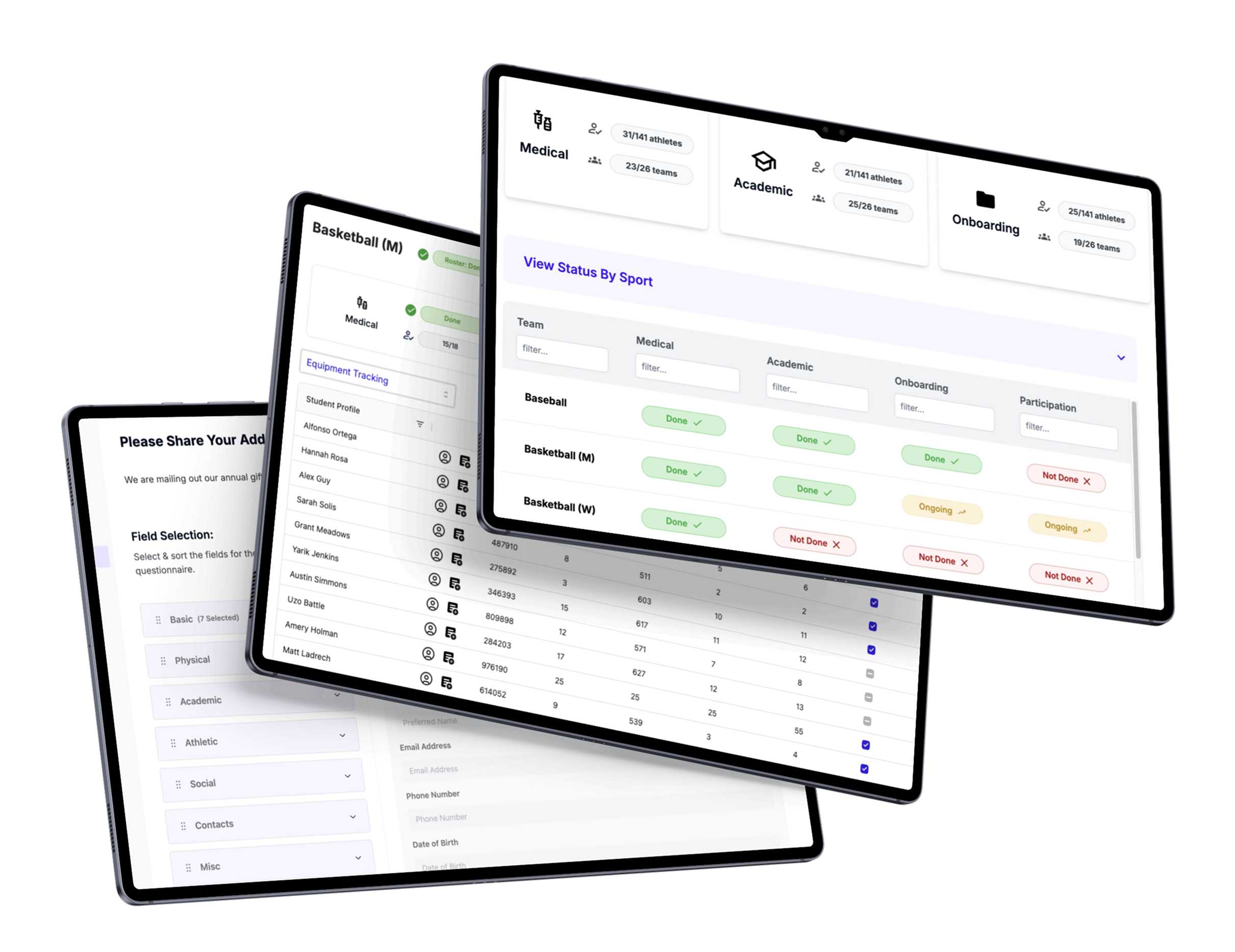
What This Article Covers: 
What the NAIA 24-Week Rule Requires
Teams get 24 participation weeks; any activity in a Monday-Sunday window counts toward that week.
What Counts Toward a Participation Week
Practices, competition, and other coach-directed activities make a week count.
How NAIA Schools Should Track the 24-Week Rule
Schools must identify weeks with activity, count them, monitor totals, and update when schedules change.
How WinWon Tracks the NAIA 24-Week Rule
WinWon uses live calendar data to automatically track used and remaining weeks.

Want to Learn More About WinWon?

Meet With WinWon

What the NAIA 24-Week Rule Requires

The NAIA limits each team’s season of competition to a maximum of 24 calendar weeks of participation. A participation week is defined as Monday through Sunday.

If any practice or competition occurs during that window, the entire week counts toward the 24-week total.

At a high level:

1. Weeks are counted based on participation, not intent
2. A single practice or competition makes the week count
3. Weeks continue to count even when schedules shift
4. Breaks are allowed, but limited

Because the rule is tied to when activity occurs, accurate tracking depends on up-to-date schedules, and not static records.

What Counts Toward a Participation Week

Participation includes more than games. At a high level, weeks count when teams engage in:

1. Organized practices
2. Team activities directed by coaches
3. Scheduled competition
4. Other countable athletically related activities

If activity happens during the week, that week is used, regardless of how light the schedule may be.

Where Schools Commonly Get This Wrong

Most issues with the NAIA 24-week rule come from how tracking is handled day to day.

Common problems include:

1. Counting weeks manually in spreadsheets
2. Schedule changes not reflected in compliance tracking
3. Different teams tracking participation differently
4. Limited shared visibility between compliance staff and coaches

When tracking lives outside the schedule, accuracy depends on constant manual updates, and that can fail.

How NAIA Schools Should Track the 24-Week Rule

Tracking the 24-week rule starts with one question: Did participation occur during the week?

To track the rule accurately, NAIA institutions need to:

1. Identify every week where practice or competition occurs
2. Count that Monday-Sunday period as one participation week
3. Monitor how many weeks have been used across the season
4. Recheck counts whenever schedules change

This process must be repeated throughout the academic year, not just at the beginning or end of a season.
When tracking is disconnected from the schedule, this work becomes manual and error-prone.

Why Spreadsheets Fail for 24-Week Tracking

Spreadsheets assume stability. Athletic schedules don’t.

Manual tracking systems break down because:

1. Weeks must be recalculated every time an event moves
2. Cancellations and additions require manual review
3. There’s no shared, real-time view across staffErrors often surface late in the season
By the time discrepancies are caught, participation weeks are already used.

 How WinWon Tracks the NAIA 24-Week Rule

WinWon treats the athletic calendar as the source of truth.

Participation and events are tracked directly on the calendar, where schedules already live. When events are added, moved, or removed, participation tracking reflects those changes automatically.

This gives departments:

1. Clear visibility into weeks used and weeks remaining
2. Tracking that evolves as schedules change
3. A shared view across compliance, coaches, and administratorsInstead of reconciling spreadsheets, staff work from the same calendar in real time.

Tracking Weeks in Real Schedules

The NAIA 24-week rule doesn’t fail in theory. It fails under real conditions.

Schedules shift. Events move. Seasons overlap. Tracking must adapt as participation changes.

By anchoring participation to the calendar, WinWon aligns tracking with how teams actually operate, without requiring manual recalculation every time something changes.

NAIA Rules, Explained and Operationalized

These guides break down the most common NAIA compliance rules and how schools actually track them day to day. Each article focuses on practical workflows, common mistakes, and how to maintain consistent visibility across staff.
Eligibility Rules

Read More

NAIA Eligibility Rules Explained
A clear overview of core NAIA eligibility requirements, common administrative mistakes, and how schools maintain ongoing visibility without relying on spreadsheets.

Compliance Hub

Read More ⟶

NAIA Compliance Hub
A centralized starting point for NAIA compliance resources, rule explainers, and operational best practices.

Off-Day Policy

Read More ⟶

How to Track Your NAIA Off-Day Policy.
Step-by-step guidance for enforcing required off days, managing exceptions, and maintaining consistent tracking across teams and seasons.

Built for Shared Visibility Across the Department

Tracking the 24-week rule isn’t the responsibility of one role.

Compliance staff, coaches, and administrators all interact with schedules at different points. WinWon provides shared visibility so everyone sees the same participation context, without follow-up emails or duplicate tracking.

“It’s not just faster—it’s cleaner. I can see everything from one dashboard, and I know the data is right. That gives us peace of mind.”

Brandon Perry, Athletic Director, Johnson University

How Does WinWon Support NAIA Athletic Departments?

Finally, One Source of Truth for Everyone in Your Athletic Department
NAIA Eligibility

The Future of Academic Automation

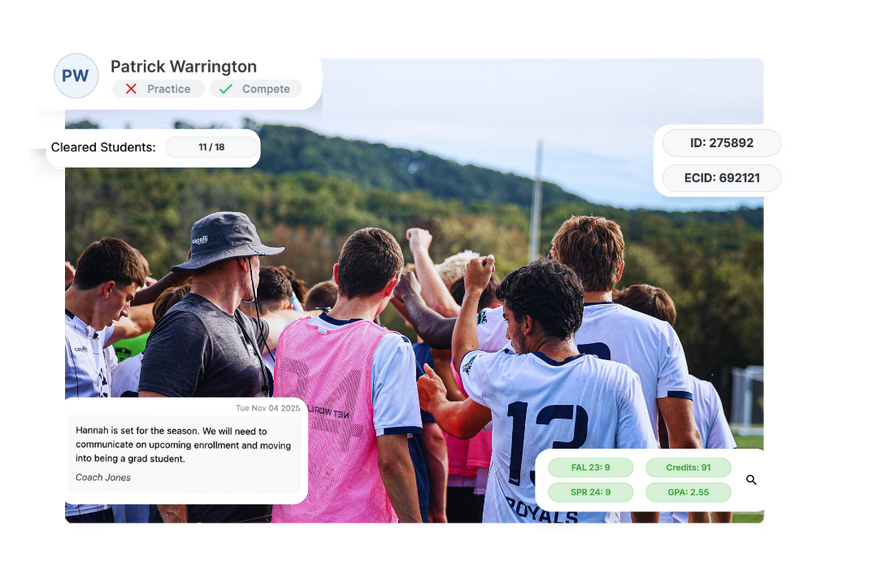
Automated academic tracking that’s more accurate, less painful, and easier to keep current across teams. Coaches and compliance staff see the same status without chasing transcripts one by one.

Explore The Features  ⟶The OLLU Case Study ⟶
NAIA Student Athlete Communications

Every Athlete, One Source of Truth

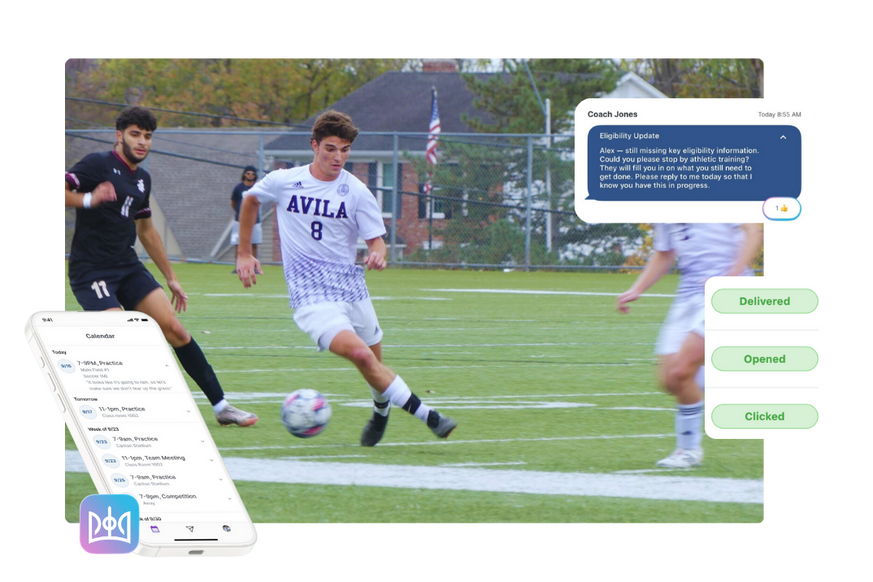
Give student-athletes a single app for eligibility, schedules, announcements, and every key connection across the department. WinWon ties it all together—so communication, compliance, and coordination never fall out of sync.

Explore The Features  ⟶The Avila Case Study ⟶
NAIA Athlete Recruiting

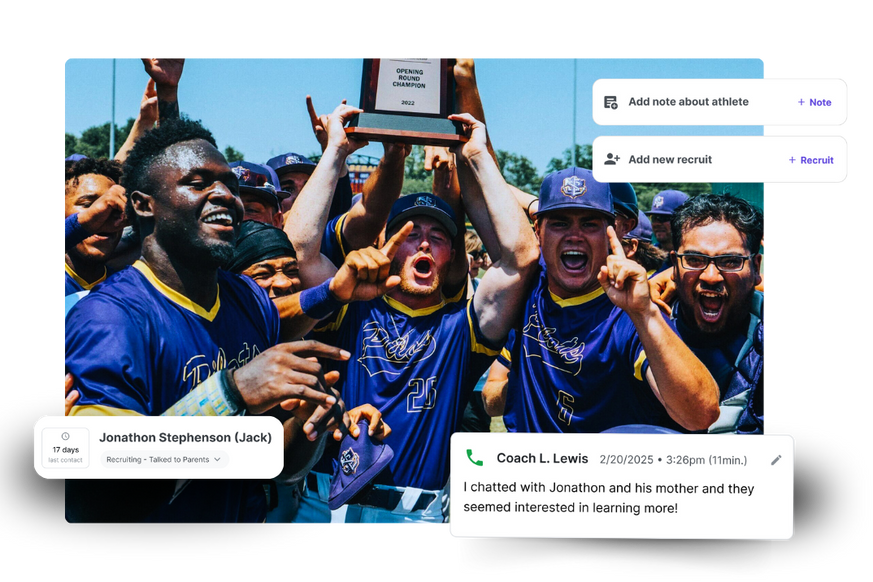
Recruit Smarter, Not Harder

Replace spreadsheets and guesswork with intelligent search, automated outreach, and real-time insights. WinWon connects every text, email, and evaluation to your recruiting board automatically—turning conversations into commitments faster.

Explore The Features  ⟶The LSUS Case Study ⟶
NAIA Calendar and Time-Tracking

Where Schedules Become Compliance

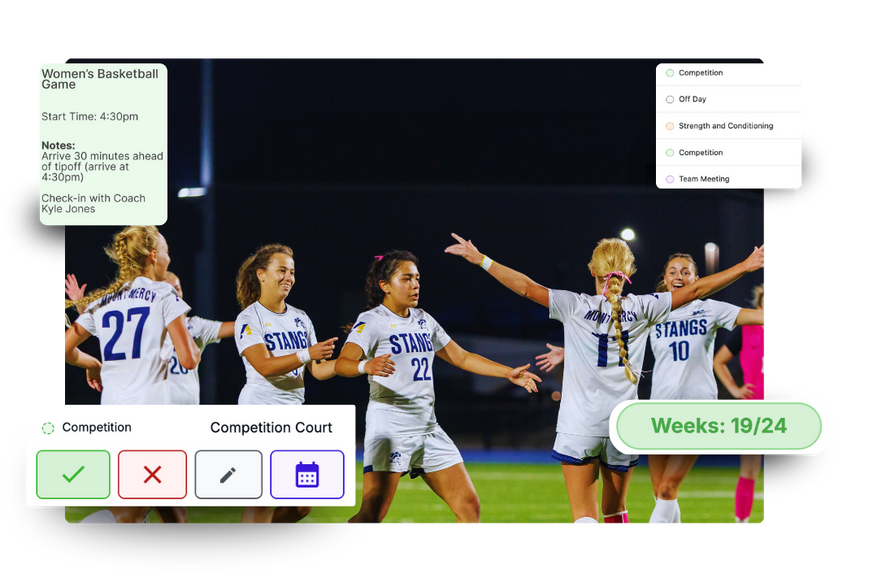
If your department is juggling Outlook, GCal, and spreadsheets just to manage off-day rules, you’re not alone. WinWon replaces that chaos with one centralized calendar that syncs instantly and turns every event into a compliance record—so tracking stays accurate when schedules change.

Explore The Features  ⟶The Mount Mercy Case Study ⟶
Questionnaires & E-Sign Documents

Paperwork That Files Itself

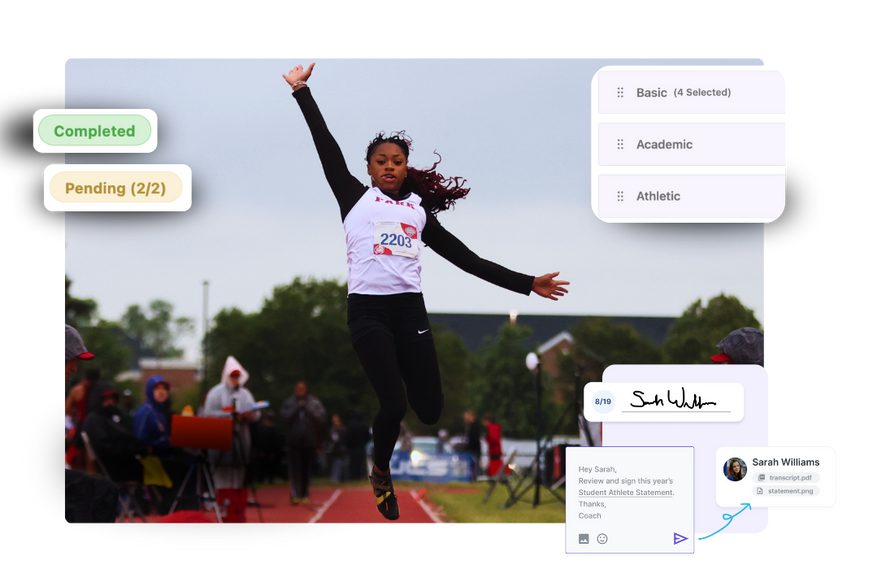
E-sign documents and smart questionnaires automatically attach to athlete profiles the moment they’re submitted. WinWon builds your audit trail for you—no chasing attachments, no duplicate uploads, just time saved and accuracy gained.

Explore The Features  ⟶The Faulkner Case Study ⟶

Common Questions

See below for frequently asked questions and their answers.

How does the 24 week season apply across different sports?
The 24 week season applies to all NAIA sports, including basketball, football, soccer, baseball, and cross country. While the sport-specific calendar may differ, the underlying NAIA rules are the same: if a team participates in practice and competition during a calendar week, that week must be counted.Each member institution is responsible for ensuring the 24 week season is tracked consistently across sports, regardless of how frequently teams play or practice.
What types of activity must be counted toward the 24 week season?
Any week that includes countable practice and competition must be counted toward the 24 week season. This includes weeks where student athletes practice, play, or compete, even if competition is limited.Participation weeks are based on activity, not outcomes or statistics, and must be counted even when schedules change or activities are minimal.
Are there exceptions to the NAIA 24-week rule?
There is a limited exception for teams that qualify for NAIA approved postseason play. Weeks that fall within NAIA-approved postseason dates may not count toward the 24 week season, depending on the timing and circumstances.Outside of NAIA approved postseason participation, there is generally only exception allowed within the structure defined by the NAIA bylaws. All other weeks with activity must be counted.
How does the 24-week rule affect transfer students?
Transfer students are subject to the same 24 week season limitations as all student athletes once they are enrolled and participating at a new institution.Participation weeks completed at a prior institution may still matter for eligibility analysis, depending on the sport, timing, and academic year. Compliance staff must check participation history carefully to determine whether weeks have already been used.
When does the NAIA 24-week season begin and end?
For most sports, the season falls within the NAIA participation window that begins around August 1st and runs through May 15th of the academic year.Within that time frame, each week with participation must be counted. Breaks may occur, but weeks with activity must be identified and tracked accurately.
How do frequency of play limits relate to the 24-week rule?
The NAIA separates frequency of play limits from the 24 week season, but they interact operationally. Frequency of play rules govern how often teams may compete, while the 24 week season governs how long participation may occur.Both must be considered together when determining whether student athletes are eligible to play and compete throughout the academic year.
Does housing or attendance affect the 24-week rule?
Housing status, class attendance, or where students live does not change whether a participation week must be counted. If student athletes are participating in practice and competition, the week is counted regardless of housing arrangements.What matters is participation, not residency or whether a student has attended every session.

Read More Customer Stories

From conference-wide efficiency to on-campus transformation, discover how athletic departments across the nation are winning with WinWon.

Messaging

Real-time communication built
for athletics.

Read More  ⟶

Student Worker Schedules

Simplify every shift and keep coverage
clear.

Read More  ⟶

Full Mobile Suite

Manage your team anytime,
anywhere.

Read More  ⟶

Athlete Management

One source of truth for every
roster.

Read More  ⟶

Athlete Recruiting

Find talent, build relationships,
win more.

Read More  ⟶

Scheduling & Facility
Management

One calendar to replace them all.

Read More  ⟶

How Mount Mercy University Used The WinWon Calendar to Connect the Entire Department

Coaches juggled calendars across teams and apps. See how WinWon connected the entire department with one shared schedule.

Read More

How Southeastern University Centralized Medical Eligibility with WinWon

Medical eligibility and training data lived in silos. Find out how WinWon centralized it all for faster clearance and safer seasons.

Read More